01 / CABOO
From a document to a grounded agent — and then a safe action.
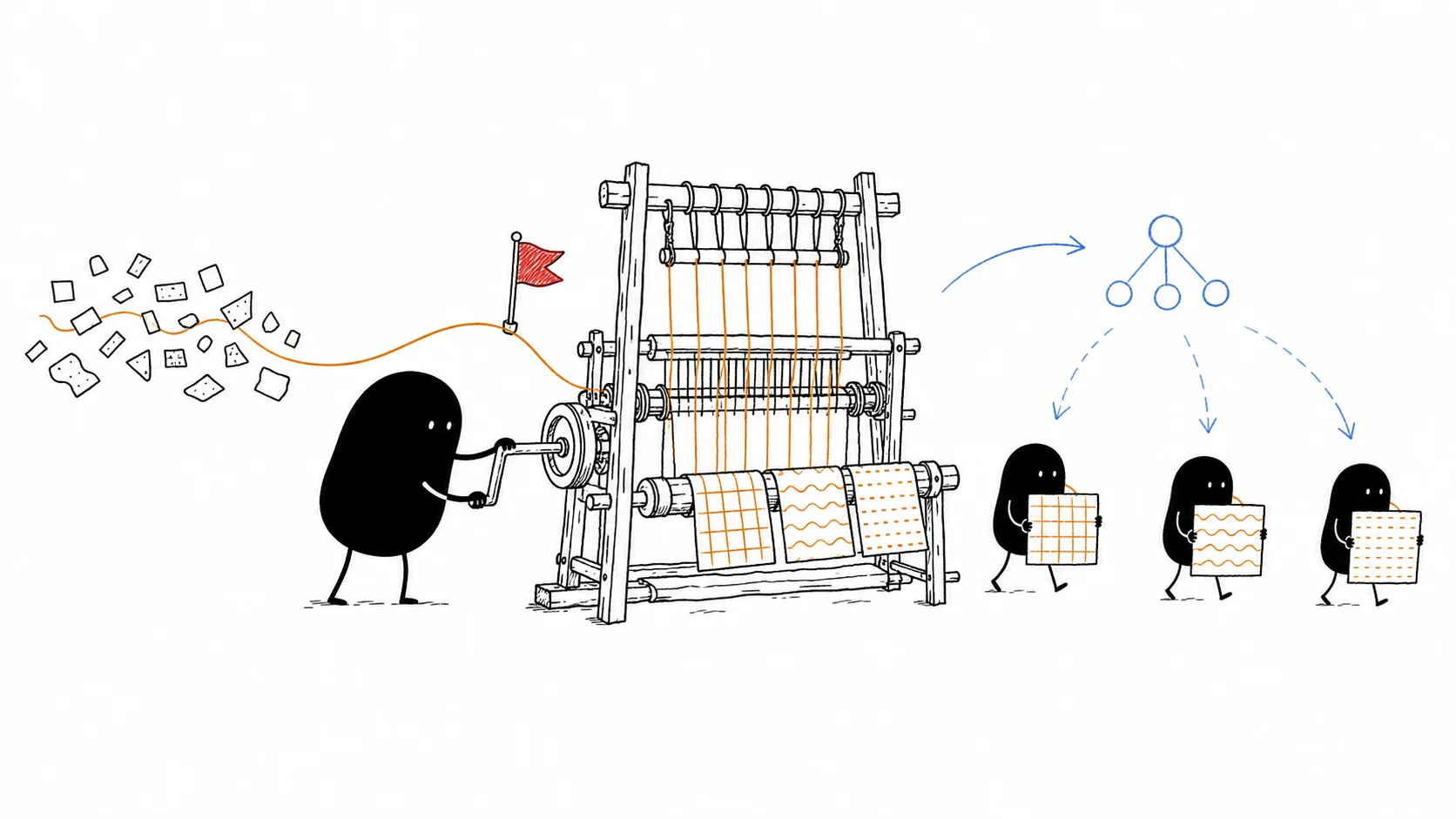
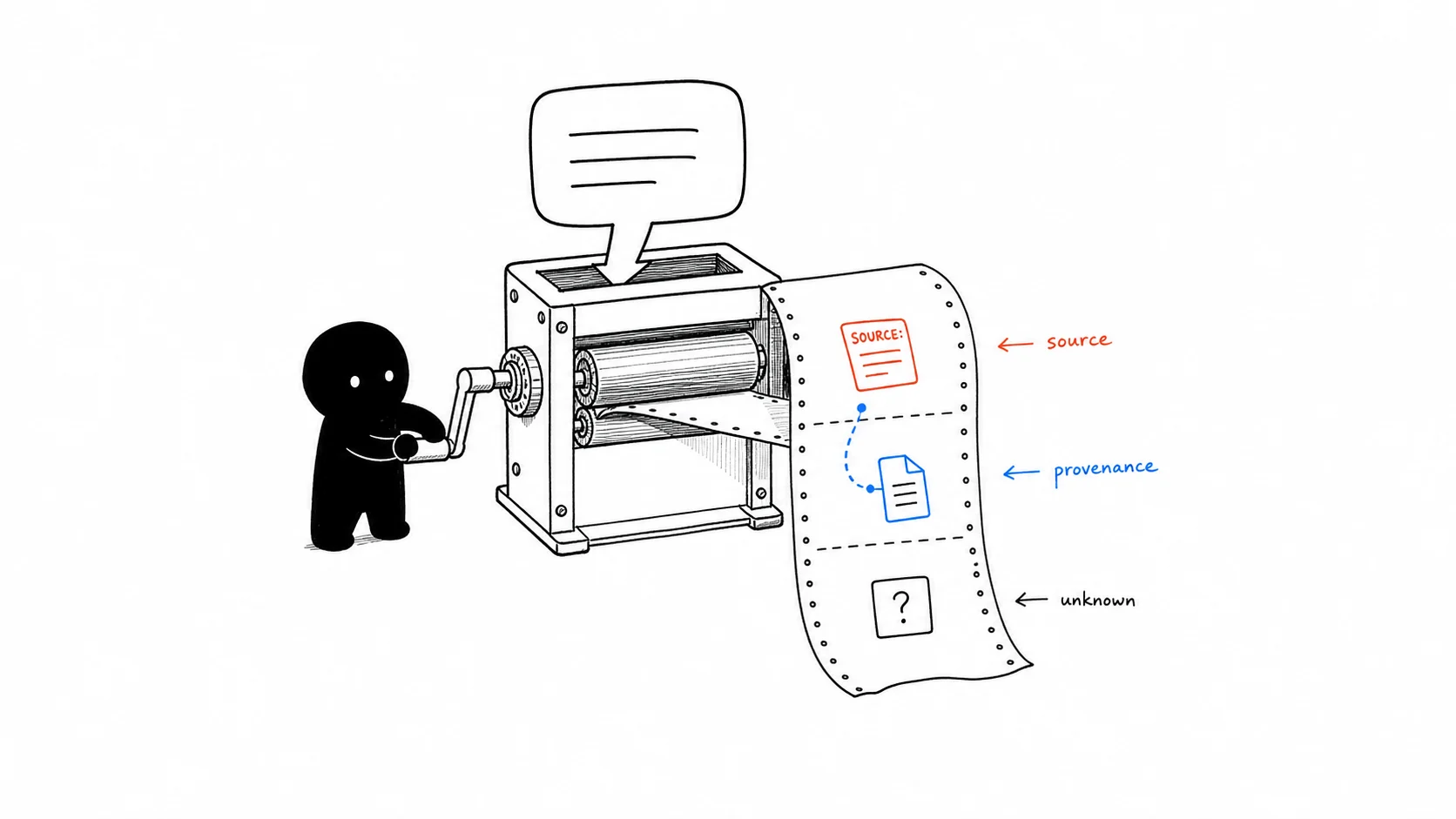
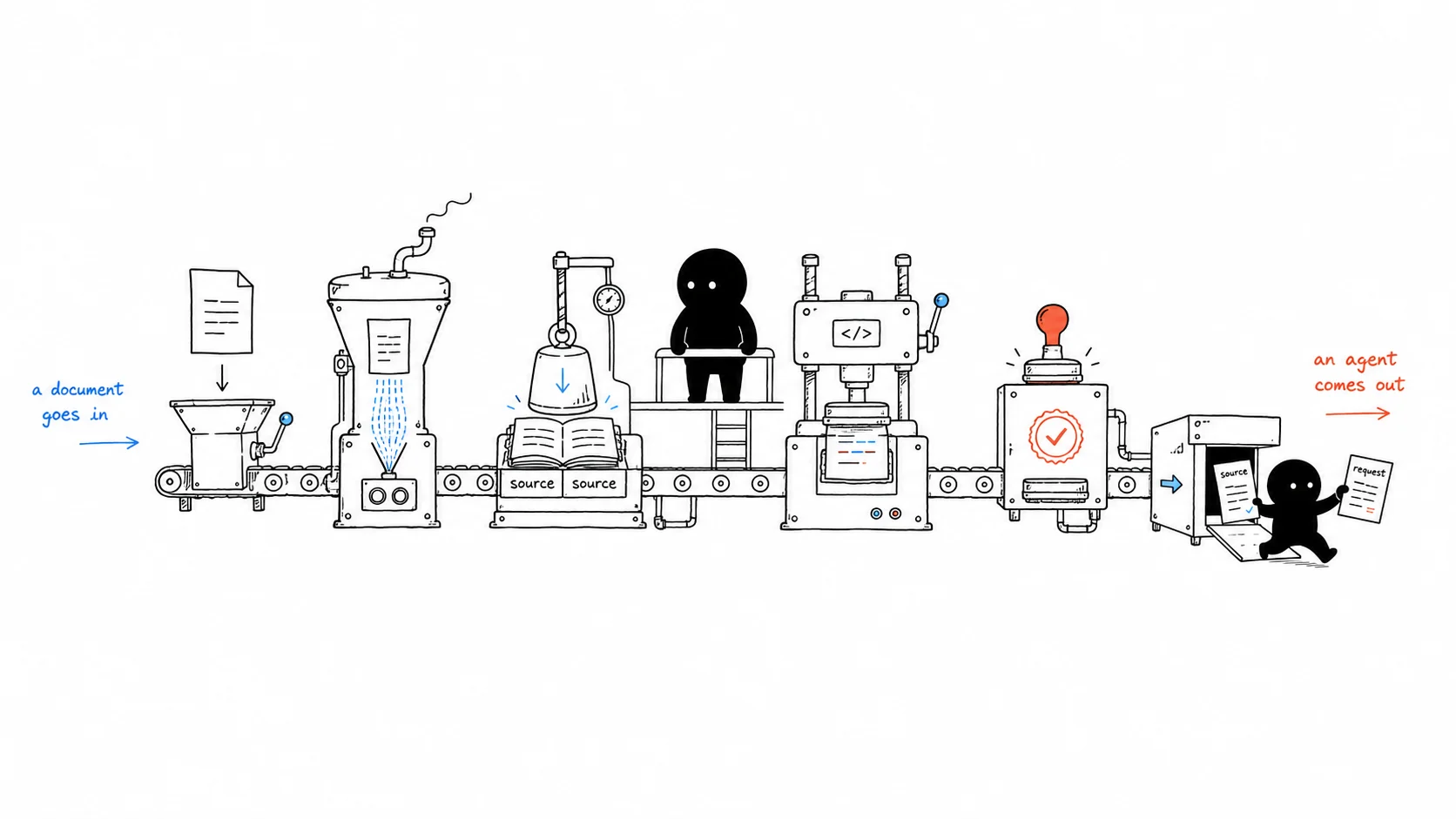
Overview I defined and built Snap, a product that compiles business documents into source-grounded AI Passports while preserving the evidence needed to trust and act on them.
- Role
- Founder & Design Engineer · product model, interaction design and production implementation
- Problem context
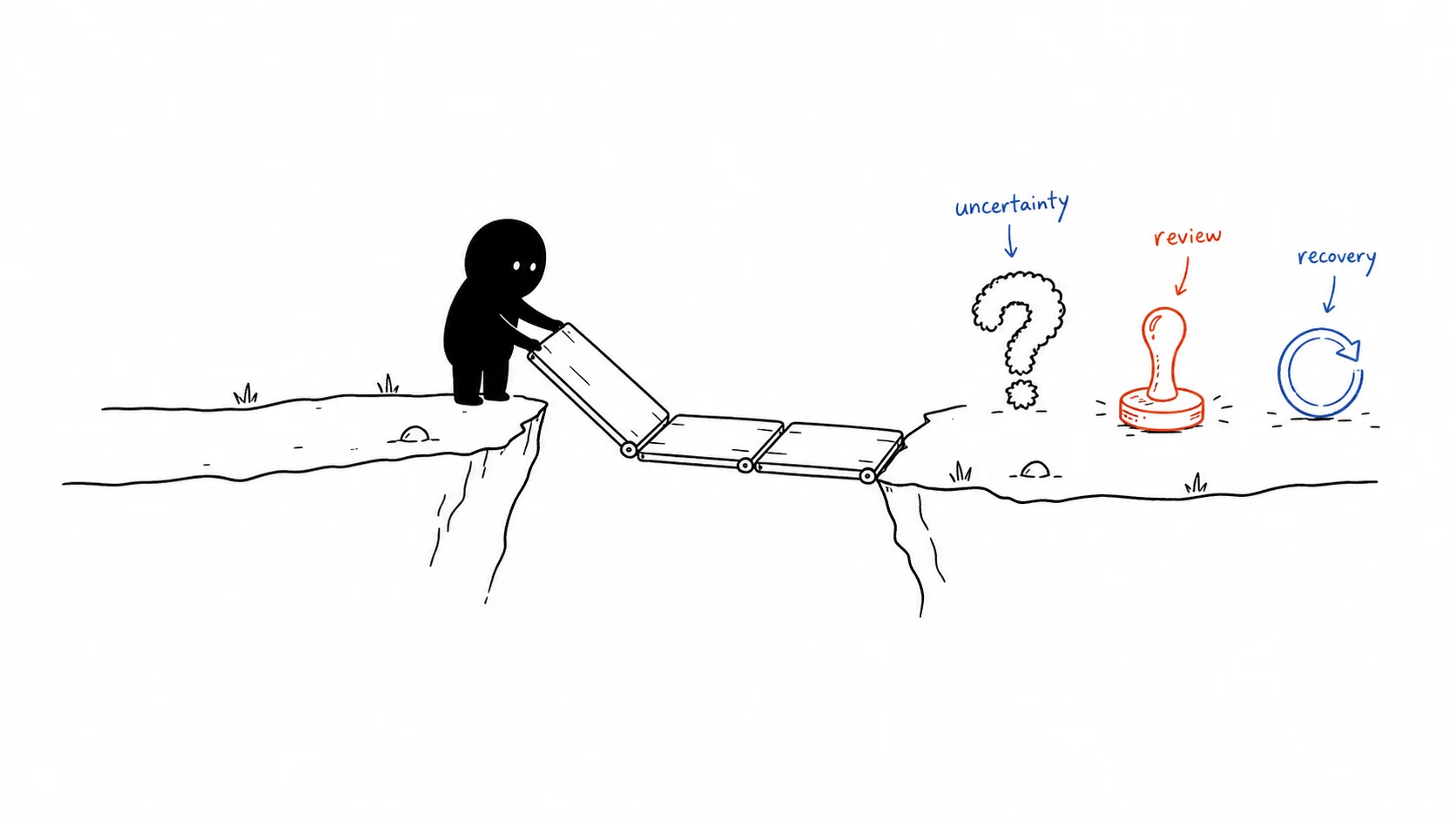
- Ordinary AI context loses provenance, unknowns, tables and the boundary between a request and a completed real-world action.
- Solution
- A TypeScript, Hono and Postgres document compiler, knowledge graph, provider handoffs and MCP-capable discovery/action gateway.
- Impact / evidence
- A working public product with current source, boundary, route, promise and fixture gates passing. Commercial outcomes are deliberately omitted until retained analytics exist.
END-TO-END CASE / RESEARCH → MEASUREMENT
I treated trust as a product system, not a disclaimer.
This is the full arc behind the shipped product: the inquiry, the product model, the decisions that survived implementation, and the quality signals I used after delivery. The measurements below are product-evaluation results, not customer or revenue claims.
- 01 / RESEARCH
Separate durable signals from AI-search hype.
I directed a research brief across discovery, crawler behaviour, structured data, MCP, agent authentication and booking. It exposed the gap: assistants could read fragments, but reliable action still needed accurate first-party evidence and an explicit control boundary.
- 02 / CONCEPT
Reframe the object from “document upload” to “evidence passport.”
I defined the core promise around facts, provenance, unknowns and visual evidence that remain attached as content moves from a source document into an AI conversation.
- 03 / SYSTEM
Model the states before polishing screens.
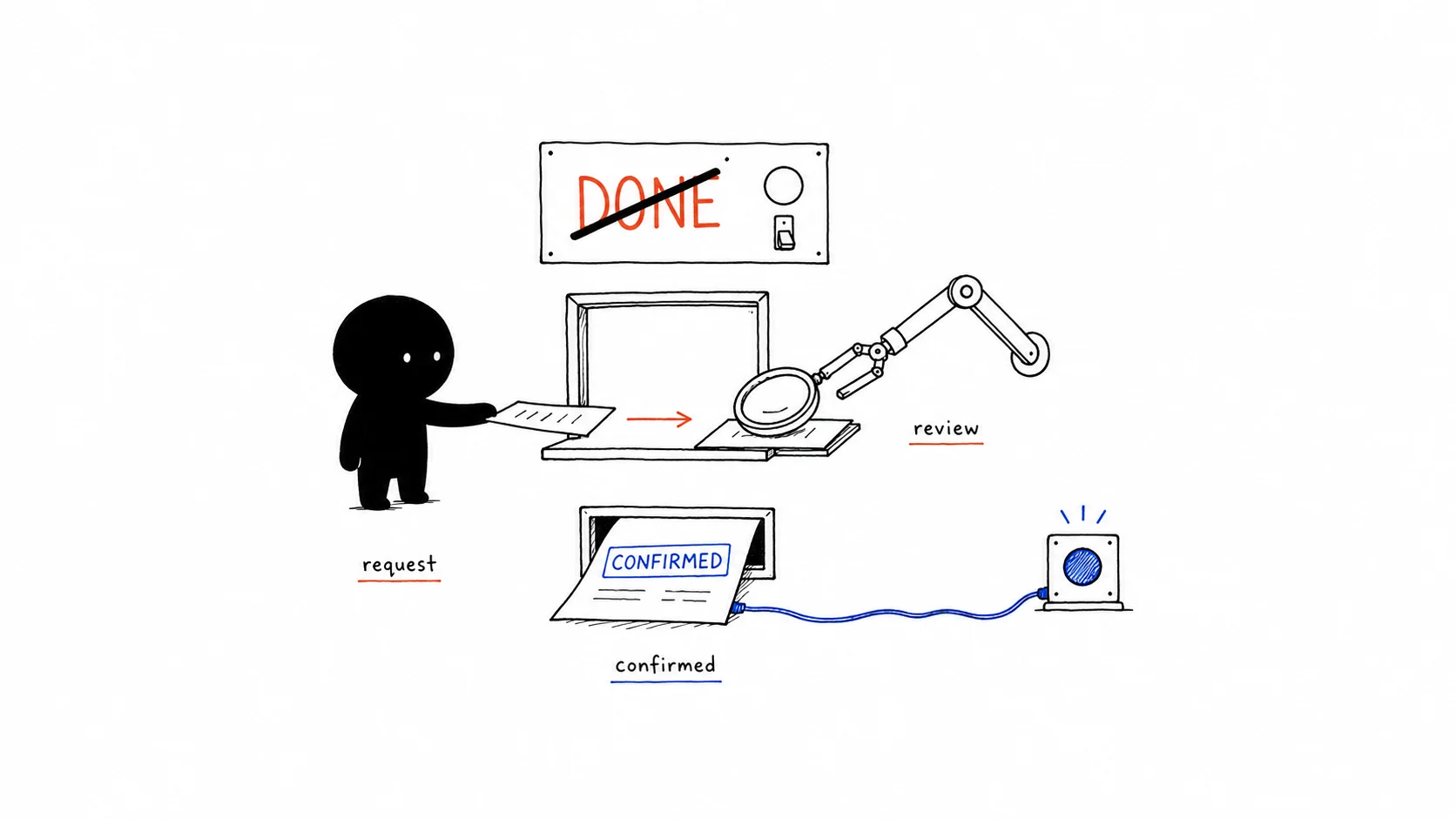
I mapped the creator and scanner journeys, provider handoffs, review states and the action boundary: draft or request → human review → verified external outcome. That model became the interface and API contract.
- 04 / DELIVERY
Build far enough to test the product truth.
I implemented the compiler, knowledge graph, provider profiles, public resources, action review and MCP-capable gateway in TypeScript, Hono and Postgres—then shipped the public Snap surface.
- 05 / MEASUREMENT
Measure grounded behaviour and transport integrity.
I evaluated whether the delivered system preserved evidence, remembered a stated priority, surfaced unknowns, resisted false premises and kept an enquiry explicitly unsent until review.
A logged-in, ten-turn Claude acceptance session covered grounding, visual evidence, unknown recognition, memory, truth scope, contact use and action honesty.
The current ChatGPT and Claude public build artifacts each passed the deterministic contract audit for prompt, source, action and handoff integrity.